👋 A Note on Transitions
Hello , How was your transition from winter break back to the classroom? I've been using Google Gemini to help me be a master chef by taking all my time, ingredient, and supply constraints and helping me to pull off cooking magic. If you want my recipe that Google Gemini gave me for using my sourdough discard and making homemade Cheese-its please reply and I'll give it to you! They are amazing.
One of the most important parts of a student-centered classroom is how we manage the "in-between" moments. Whether it is moving from a collaborative group project to independent reflection or coming back from a break, transitions set the tone for learning.
We recognize that students need a moment to shift their mindset. Below, I have gathered several tips and tools to help you create smooth transitions that value student well-being.
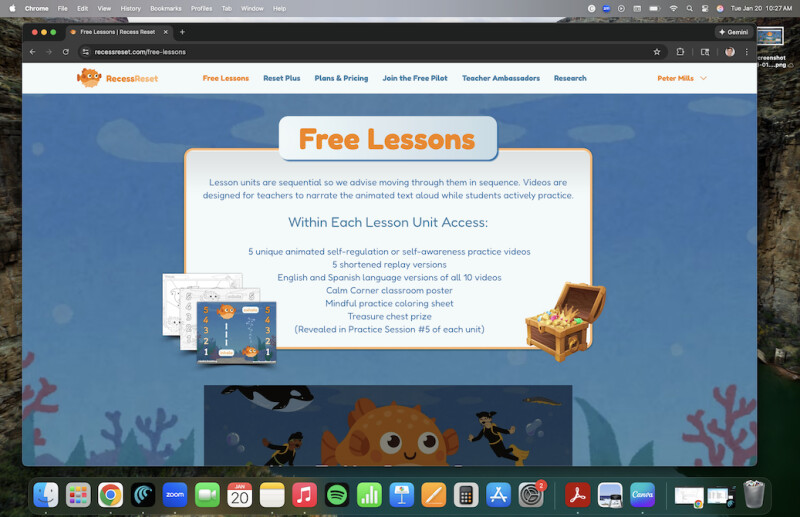
🌟 Featured Resource: Recess Reset
Is the transition back from a break eating up your instructional time? Recess Reset provides a turn-key solution to help students regulate their nervous systems and get ready to learn without the struggle. Built by former teachers in partnership with Stanford University, it helps you move beyond behavior management to start building self-aware classroom communities.
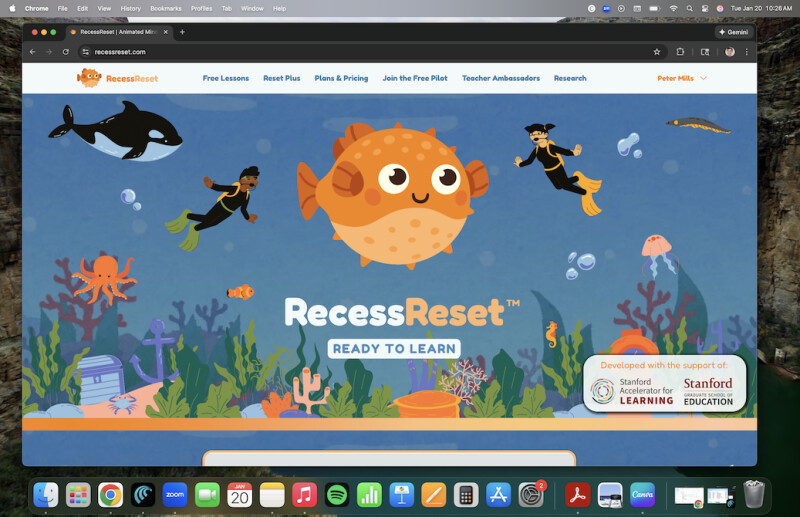
Why it works for your classroom, :
- Zero Prep: No lesson planning required.
- Bite-Sized: An animated curriculum that fits into a 3-minute transition.
- Evidence-Based: Focuses on self-regulation and self-awareness.
Sign up today for a chance to WIN a year-long subscription to Reset Plus. You can also join their Teacher Ambassador Program to earn a free premium account.
🚀 Using Recess Reset in Upper Grades
While Recess Reset is a fantastic tool for elementary, the concept of a "reset" is just as vital for older students, . In middle and high school, students are often rushing from one subject to another, carrying the stress of the previous period with them.
You can use these bite-sized animated lessons as a "Brain Reset" at the start of class to help students settle in. Use the calm corner posters to create a space for self-regulation in your room. It is a great way to model that taking three minutes to find focus is a life skill that goes far beyond the classroom walls.
🔬 What the Research Says About Transitions
Research indicates that transitions are critical "boundary moments" that do more than just move students from one task to another, . When we optimize these moments, we protect instructional time and support the cognitive shifts necessary for deep learning.
- Instructional Recovery: Efficient transitions can save up to 20% of the school day, which adds up to weeks of additional learning time over the year.
- Cognitive Reset: Based on Cognitive Load Theory, brief pauses help students consolidate what they just learned before "switching gears" to a new topic.
- Reduced Anxiety: Predictable routines lower student stress and decrease behavioral issues, creating a safer environment for creative and critical thinking.
- Self-Regulation: Consistent "resets" build interoceptive awareness, helping students identify their internal state and proactively choose to focus.
🧘 Enhancing the Cognitive Shift
, Transitions are more than just moving from one task to another. They are vital "boundary moments" that determine if the next activity will be productive. When we treat transitions as a pedagogical tool rather than a management hurdle, we empower students to find the focus required for deep collaboration and critical thinking.
Try these specific, practical strategies to help your students regulate their nervous systems and shift gears:
- The "One-Minute Private Think": Instead of immediately starting instructions after a transition, give students sixty seconds of absolute silence to mentally "close the tab" on the previous activity. This simple pause respects their cognitive load and reduces the friction of starting something new.
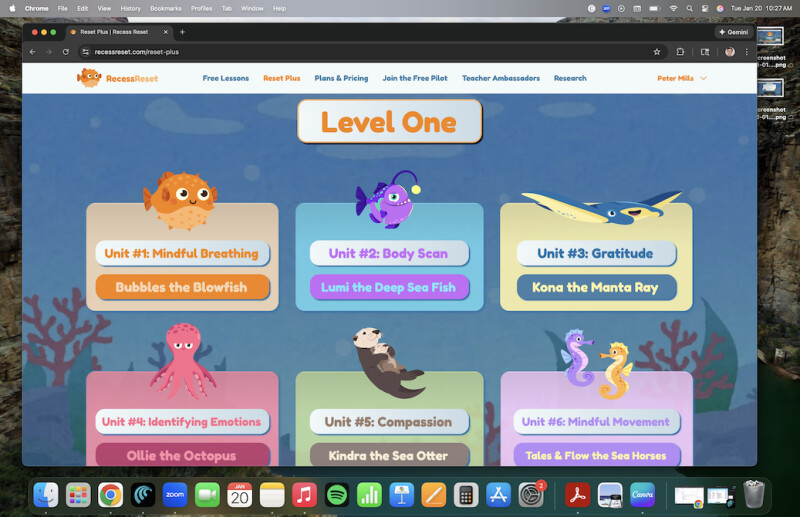
- Curated Transitions with Recess Reset: Use the animated video library from Recess Reset to provide a consistent, high-quality sensory routine. These bite-sized lessons guide students through evidence-based self-regulation practices, taking the burden of "performing" the transition off of you and allowing you to join in with the class.
- Physical Anchors: Identify a specific physical action for a specific type of transition. For example, have students stand up and push in their chairs for collaborative work, but stay seated and place hands flat on the desk for direct instruction. These physical cues signal the brain that the "rules of engagement" have changed.
- Transition Music Playlists: Use a specific genre or tempo of music for specific tasks. High-tempo music can signal a quick cleanup, while lo-fi beats can signal a transition into independent creative work. The music acts as a non-verbal cue that helps students regulate their pace without you needing to say a word.
- Reflection Bridging: Ask students to tell a neighbor one thing they "left behind" in the last task and one goal for the next. This verbalization helps students consciously process the transition and prepares them for the next learning objective.
By implementing these routines, you help students build vital life skills in self-awareness that they will carry with them throughout the year, .
🤖 Curate "Smart" Transitions with NotebookLM
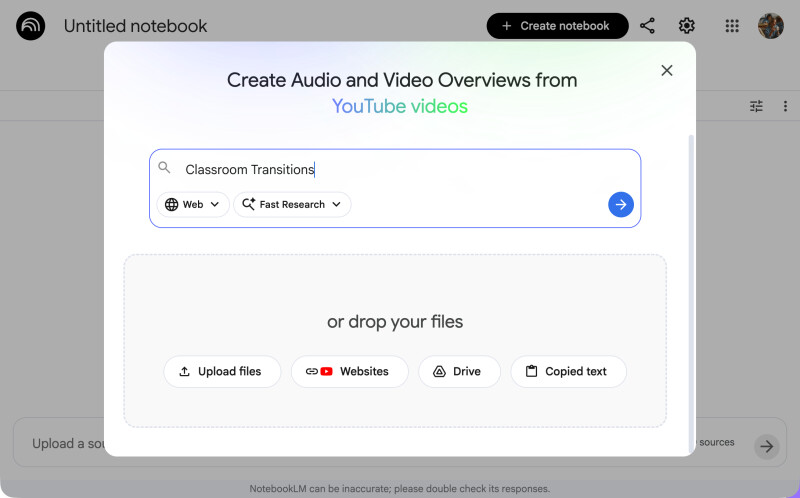
If you haven't explored it yet, , NotebookLM is a personalized AI research assistant from Google that uses the specific sources you provide. Unlike a general chatbot, it grounds its answers in your documents, making it incredibly reliable for curriculum planning.
To make your transitions more meaningful, try this: find a few research-backed resources on classroom transitions or self-regulation (like the ADHD research mentioned above) and upload them to a notebook along with your current lesson plan. Note that you can use the search feature right in NotebookLM to help you find these! Ask NotebookLM to "Curate three 2-minute transition activities that specifically bridge the gap between this lesson's objective and the research-backed regulation needs of my students."
Instead of generic breaks, you now have transitions that are pedagogically sound and perfectly timed for your specific class. It can even generate an "Audio Overview" that summarizes the previous lesson's key points to play as students settle into their learning.
🎓 Learn NotebookLM in My Workshop
Want to learn more about how to leverage NotebookLM to reduce your planning load while keeping your classroom student-centered? We will look at practical ways to organize your teaching resources and use AI as a collaborator in your pedagogy.
🎨 New Tool: Easy Thumbnail Maker
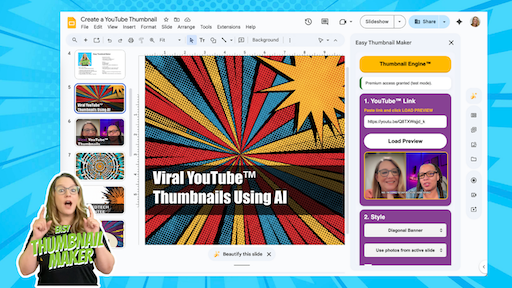
I am excited to share that my newest Add-on, **Easy Thumbnail Maker**, was recently approved. If you enjoy creating YouTube videos to foster communication in your classroom, this tool can help you fancy up your thumbnails.
Simply paste your YouTube link into the sidebar (Use the Extensions menu to show the sidebar) and choose your style. I would love your feedback as I work on adding even more variations to help your content stand out.
🧠 Transitions as "Executive Function Hurdles"
For students with ADHD a transition isn't just a change in activity, it is a high-stakes cognitive challenge. Research often compares an ADHD brain disengaging from a task to "slamming the brakes on a moving train." When we understand the "why" behind the struggle, we can better support our neurodivergent learners.
- The Cognitive Brake Problem: Many students with ADHD experience "Hyperfocus Friction." Moving from a stimulating task to a less preferred one is physically and mentally taxing, often leading to off-task behavior as the brain struggles to "set-shift."
- Wait-Time Sensitivity: "Dead air" during transitions is a major trigger. While waiting for the whole class to be ready, students with ADHD may seek sensory stimulation to fill the gap, which can appear as disruptive behavior.
- Navigating Time Blindness: Without concrete cues, transitions can feel like they "come out of nowhere." Providing visual supports, like color-coded signals for the "mode" of the next activity, has been shown to reduce the need for repeated instructions by 75%.
Practical Research-Backed Solutions:
- Predictable Priming: Give "start-to-finish" warnings. Instead of a generic "clean up," try: "In five minutes, we will finish the writing part and move to our collaborative discussion."
- Movement Anchors: Incorporate brief, structured physical movement during the shift. This helps discharge excess motor energy and resets the nervous system for the next round of focus.
- Visual Scaffolding: Use tools like Recess Reset to provide an animated, predictable routine that reduces the executive function load on your students.
🤝 Become a Recess Reset Teacher Ambassador
, if you love the idea of helping students find their calm, consider joining the Recess Reset Teacher Ambassador Program. You can earn a free premium account by sharing this wonderful tool with your peers.
🔧 Available AliceKeeler Add-ons
AliceKeeler Add-ons do NOT collect user data. No PII. Upgrade to the unlimited pass for premium features.
| Add-on Name | Link |
|---|---|
| Educator AI Assistant | Access add-on |
| Make My MC Quiz | Access add-on |
| AliceTasks AI Work Sessions | Access add-on |
| Doc to Slides | Access add-on |
| Document Outline | Access add-on |
| Seating Chart Slides | Access add-on |
| Easy Thumbnail Maker | Access add-on |
| Tiny Doc Remove Blank Lines | Access add-on |
| Make Calendar View | Access add-on |
| Audience Participator | Access add-on |
| Form Printer | Access add-on |
| Fresh Form Tab | Access add-on |
| Missing From | Access add-on |
| Notice Wonder Form | Access add-on |
| Popsicle Sticks Form | Access add-on |
| Quiz Helper | Access add-on |
| Bingo | Access add-on |
| Pixel Art | Access add-on |
| TemplateTab | Access add-on |
| Daily Agenda Slides | Access add-on |
| Slides Timer Add-on | Access add-on |
| Slides to Spanish+ | Access add-on |
| Speaker Notes | Access add-on |